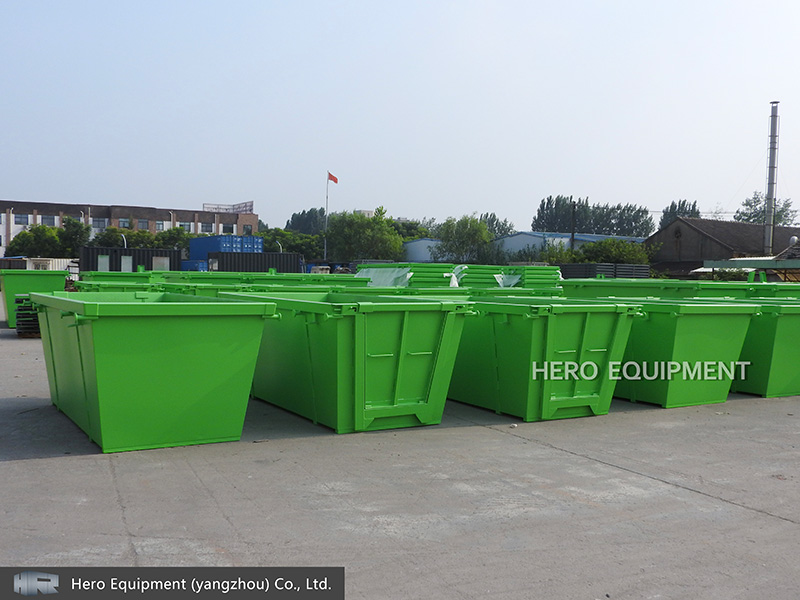
Ang mga skip bin ay kailangang-kailangan na mga tool para sa pamamahala ng basura, na malawakang ginagamit sa mga setting ng tirahan, komersyal, at pang-industriya. Nagsasagawa ka man ng pagkukumpuni ng bahay, pamamahala ng mga debris sa konstruksyon, o pangangasiwa ng nakagawiang pagtatapon ng basura, ang tamang skip bin ay maaaring makabuluhang mapadali ang proseso. Gayunpaman, hindi lahat ng skip bin ay ginawang pantay. Ang isang mataas na kalidad na skip bin ay tinutukoy ng materyal na tibay, pagganap ng pagganap, versatility sa paggamit, at pagkakahanay sa mga partikular na pangangailangan sa pamamahala ng basura. Ang pag-unawa sa mga pangunahing feature ng performance na hahanapin ay tumitiyak na pipili ka ng bin na ligtas, mahusay, at cost-effective. Tinutuklas ng artikulong ito ang mga kritikal na katangian ng isang de-kalidad na skip bin, na tumutuon sa materyal na konstruksyon, mga kakayahan sa pagganap, nilalayong paggamit, at pamantayan sa pagpili.
1. Materyal na Konstruksyon: Katatagan at Kaligtasan
Ang pundasyon ng isang de-kalidad na skip bin ay nakasalalay sa mga materyales na ginamit sa pagtatayo nito. Ang pinakakaraniwan at maaasahang materyal ay mabigat na tungkulin na bakal, kadalasang pinalakas ng karagdagang mga suporta sa istruktura. Ang mga steel skip bin ay pinahahalagahan para sa kanilang lakas, mahabang buhay, at kakayahang makayanan ang malupit na mga kondisyon, kabilang ang mabibigat na kargada, masamang panahon, at madalas na paggamit. Ang kapal ng bakal ay isang mahalagang kadahilanan; ang mga bin na gawa sa mas makapal na gauge steel ay mas lumalaban sa mga dents, baluktot, at pagkasira, na tinitiyak na mapanatili nila ang kanilang hugis at integridad sa paglipas ng panahon.
Bilang karagdagan sa katawan ng bin, ang mga bisagra, trangka, at mga takip ay dapat ding gawin mula sa matibay na materyales. Ang mga de-kalidad na bin ay nagtatampok ng matibay, lumalaban sa kalawang na mga bisagra at secure na mekanismo ng pag-latching upang maiwasan ang hindi sinasadyang pagbukas sa panahon ng transportasyon o pag-iimbak. Para sa mga bin na ginagamit sa panlabas na kapaligiran, ang paglaban sa kaagnasan ay mahalaga. Maraming mga premium na skip bin ang ginagamot ng mga anti-corrosion coating o ginawa mula sa galvanized steel upang mapahaba ang kanilang habang-buhay at mapanatili ang integridad ng istruktura kahit na sa maalinsangang kondisyon o maalat.
2. Mga Kakayahang Pagganap: Kapasidad ng Pag-load at Integridad sa Structural
Ang isang mataas na kalidad na skip bin ay dapat na mahusay sa pagganap, lalo na sa mga tuntunin ng kapasidad ng pagkarga at integridad ng istruktura. Ang kapasidad ng pagkarga, na karaniwang sinusukat sa kubiko metro o tonelada, ay tumutukoy kung gaano karaming basura ang ligtas na hawakan ng bin. Mahalagang pumili ng bin na may kapasidad na tumutugma sa dami ng iyong basura nang hindi lalampas sa mga limitasyon sa timbang nito. Ang pag-overload sa isang skip bin ay hindi lamang nakompromiso sa kaligtasan ngunit maaari ring magkaroon ng mga karagdagang bayad o parusa sa panahon ng transportasyon.
Ang integridad ng istruktura ay pare-parehong mahalaga. Ang isang mahusay na idinisenyong skip bin ay namamahagi ng timbang nang pantay-pantay sa buong frame nito, na pinipigilan ang sagging o pagbagsak sa ilalim ng mabibigat na karga. Ang mga reinforced sidewalls at isang matibay na base ay mga kritikal na tampok na nagpapahusay sa katatagan at tinitiyak na ang bin ay maaaring humawak ng mga siksik o mabibigat na materyales, tulad ng kongkreto, brick, o metal scrap. Ang disenyo ng bin ay dapat ding mapadali ang madaling pagkarga at pagbaba, na may mga tampok tulad ng mababang gilid para sa accessibility o isang drop-down na pinto para sa maginhawang pagtatapon ng basura.
Ang isa pang aspeto ng pagganap na dapat isaalang-alang ay ang mobility ng bin. Ang mga de-kalidad na skip bin ay idinisenyo para sa madaling transportasyon, sa pamamagitan man ng nakalaang skip truck o manu-manong paghawak para sa mas maliliit na modelo. Ang mga bakal na bin ay kadalasang may mga forklift slot o nakakataas na mata, na nagbibigay-daan sa mga ito na ligtas na maiangat at ilipat nang walang pinsala. Para sa mga plastic na bin, maaaring isama ang pinagsamang mga handle o gulong upang mapahusay ang portability. Ang kadalian ng paggalaw ay nagsisiguro na ang bin ay maaaring iposisyon nang eksakto kung saan ito kinakailangan, maging sa isang construction site, driveway, o worksite.
3. Versatility sa Paggamit: Pag-angkop sa Iba't ibang Uri ng Basura
Ang isang mataas na kalidad na skip bin ay maraming nalalaman, na may kakayahang pangasiwaan ang isang malawak na hanay ng mga uri ng basura habang pinapanatili ang kaligtasan at pagsunod sa mga lokal na regulasyon. Ang nilalayong paggamit ng bin—para sa mga debris sa pagtatayo, basura sa bahay, berdeng basura, o mga mapanganib na materyales—ay dapat magdikta sa disenyo at mga tampok nito. Halimbawa, ang mga bin na ginagamit para sa pagtatayo o demolisyon ng basura ay kadalasang mas malaki at binuo upang makatiis ng mga nakasasakit na materyales tulad ng metal, tile, at kongkreto. Ang mga bin na ito ay maaaring may mga karagdagang reinforcement upang maiwasan ang mga butas o pinsala mula sa matutulis na bagay.
Karaniwang mas maliit ang mga paglaktaw sa bahay o pangkalahatang basura at idinisenyo para sa kaginhawahan, na may mga tampok na ginagawang angkop ang mga ito para sa hindi mapanganib na basura tulad ng muwebles, packaging, at pang-araw-araw na basura. Ang mga green waste skips, na ginagamit para sa hardin o organic na basura, ay kadalasang may mga tampok na bentilasyon upang maiwasan ang mga amoy at mapadali ang pagkabulok. Para sa mga mapanganib na materyales, tulad ng asbestos, kemikal, o elektronikong basura, ang mga espesyal na skip bin na may secure at selyadong mga disenyo ay kinakailangan upang matiyak ang ligtas na pagpigil at pagsunod sa mga regulasyon sa kapaligiran.
Ang panloob na lining ng bin ay isa pang tampok sa pagganap na nagpapahusay sa versatility. Ang ilang mga skip bin ay nilagyan ng matibay, madaling linisin na mga materyales na lumalaban sa mga gasgas, mantsa, o pinsala sa kemikal, na ginagawang angkop ang mga ito para sa iba't ibang uri ng basura. Bukod pa rito, ang hugis at sukat ng bin ay dapat magbigay-daan para sa mahusay na compaction ng basura, pag-maximize ng magagamit na espasyo at pagbabawas ng pangangailangan para sa maramihang mga bin.
4. Pamantayan sa Pagpili: Mga Pangangailangan sa Pagtutugma sa Mga Tampok
Ang pagpili ng tamang skip bin ay nagsasangkot ng pagsusuri sa iyong mga partikular na pangangailangan sa pamamahala ng basura at pagtutugma ng mga ito sa mga feature ng bin. Ang unang pagsasaalang-alang ay ang uri at dami ng basura na kailangan mong itapon. Ang tumpak na pagtatantya sa dami ng basura ay nakakatulong na matukoy ang naaangkop na laki ng basurahan, na tinitiyak na hindi mo mababawasan ang espasyo o mapanganib na mag-overload. Karamihan sa mga provider ng skip bin ay nag-aalok ng hanay ng mga sukat, karaniwang sinusukat sa cubic meters, na may mga karaniwang opsyon na mula 2m³ hanggang 12m³ o mas malaki para sa mga pang-industriyang aplikasyon.
Ang tagal ng paggamit ay isa pang kritikal na kadahilanan. Para sa mga panandaliang proyekto, tulad ng paglilinis sa katapusan ng linggo o menor de edad na pagsasaayos, maaaring sapat na ang pansamantalang skip bin na inihatid at kinokolekta kapag hinihiling. Para sa pangmatagalan o patuloy na mga pangangailangan sa pamamahala ng basura, tulad ng mga construction site o komersyal na operasyon, maaaring kailanganin ang skip bin na may mas mahabang panahon ng pagrenta o mas matibay na disenyo. Nag-aalok ang ilang provider ng mga nababagong tuntunin sa pagrenta, na nagbibigay-daan sa iyong ayusin ang laki o tagal ng bin kung kinakailangan.
Ang pagiging naa-access ay isa ring mahalagang pagsasaalang-alang. Tiyaking madaling mailagay ang skip bin sa gustong lokasyon, ito man ay driveway, construction site, o makipot na eskinita. Sukatin ang magagamit na espasyo upang kumpirmahin na magkasya ang mga sukat ng bin nang hindi nakaharang sa paggalaw o lumalabag sa mga lokal na regulasyon. Kung limitado ang espasyo, maaaring mas angkop ang mga compact o mas maliliit na bin, habang ang malalaking proyekto ay maaaring mangailangan ng mga bin na may mas mataas na kapasidad at matatag na konstruksyon.
Ang gastos ay isa pang salik na dapat timbangin, ngunit hindi ito dapat masira sa kalidad. Bagama't mukhang kaakit-akit ang mga mas murang bin, kadalasang nakompromiso ang mga ito sa tibay ng materyal, mga feature sa kaligtasan, o kapasidad ng pagkarga, na humahantong sa mga potensyal na isyu sa hinaharap. Ang pamumuhunan sa isang de-kalidad na skip bin ay nagsisiguro ng pagiging maaasahan, kaligtasan, at pangmatagalang halaga, kahit na ang paunang halaga ay bahagyang mas mataas. Palaging magtanong tungkol sa mga karagdagang bayarin, tulad ng mga labis na singil, gastos sa paghahatid, o mga parusa para sa mga ipinagbabawal na item, upang maiwasan ang mga hindi inaasahang gastos.
Ang mga pagsasaalang-alang sa kapaligiran ay lalong mahalaga sa pagpili ng skip bin. Ang isang mataas na kalidad na tagapagbigay ng skip bin ay dapat sumunod sa napapanatiling mga kasanayan sa pamamahala ng basura, kabilang ang wastong pag-uuri, pag-recycle, at pagtatapon ng mga materyales. Ang ilang mga bin ay partikular na idinisenyo para sa mga recyclable na basura, na ginagawang mas madaling ilihis ang mga materyales tulad ng metal, papel, o plastik mula sa mga landfill. Sa pamamagitan ng pagpili ng provider na nagbibigay-priyoridad sa pagpapanatili, nag-aambag ka sa pagbawas ng iyong bakas sa kapaligiran at pagtataguyod ng responsableng paghawak ng basura.
5. Mga Karagdagang Tampok para sa Pinahusay na Usability
Higit pa sa mga pangunahing katangian, ang mga de-kalidad na skip bin ay kadalasang may kasamang mga karagdagang feature na nagpapahusay sa kakayahang magamit at kaginhawahan. Halimbawa, ang ilang mga bin ay nilagyan ng mga gulong o kastor para sa madaling muling pagpoposisyon, habang ang iba ay may mga drop-down na pinto o mga rampa upang pasimplehin ang pagkarga ng mabibigat o malalaking bagay. Ang mga bin na idinisenyo para sa mga partikular na industriya, gaya ng konstruksiyon o pagmamanupaktura, ay maaaring may kasamang mga tampok tulad ng mga takip ng alikabok, kontrol ng amoy, o mga secure na mekanismo ng pag-lock upang matugunan ang mga natatanging hamon.
Ang kaligtasan ay isang pangunahing pagsasaalang-alang, at ang mga de-kalidad na skip bin ay idinisenyo upang mabawasan ang mga panganib. Ang mga reflective strip, mga label ng babala, o mga kulay na may mataas na visibility ay nagpapaganda ng visibility, na binabawasan ang posibilidad ng mga aksidente sa panahon ng transportasyon o pagkakalagay. Dapat ding pigilan ng disenyo ng bin ang hindi awtorisadong pag-access, lalo na para sa mga bin na naglalaman ng mga mapanganib o sensitibong materyales. Para sa residential na paggamit, ang mga bin na may malinis at maayos na hitsura ay madalas na ginusto, na tinitiyak na ang mga ito ay magkakahalo nang maayos sa paligid nang hindi nakakasira sa paningin.
Ang isang de-kalidad na skip bin ay nailalarawan sa pamamagitan ng matibay na materyales nito, pambihirang pagganap, versatility, at pagkakahanay sa iyong mga partikular na pangangailangan sa pamamahala ng basura. Sa pamamagitan ng pagbibigay-priyoridad sa mga feature gaya ng matatag na konstruksyon na bakal o plastik, sapat na kapasidad ng pagkarga, integridad ng istruktura, at kadalian ng paggamit, maaari kang pumili ng bin na ligtas, mahusay, at matipid. Namamahala ka man ng isang maliit na proyekto sa bahay o isang malakihang pang-industriya na operasyon, ang pag-unawa sa mga pangunahing feature ng pagganap ay nagsisiguro na mamumuhunan ka sa isang skip bin na nakakatugon sa iyong mga kinakailangan at naghahatid ng maaasahang serbisyo. Sa huli, pinapasimple ng tamang skip bin ang pagtatapon ng basura, pinapahusay ang pagiging produktibo, at nag-aambag sa isang mas malinis, mas organisadong kapaligiran.



 Telepono
Magkomento
(0)